August 17, 2026
Choosing the right dumpster size can make a cleanup or renovation project easier to manage. A container that is too small may require additional space or another pickup, while one that is too large can add unnecessary cost. This article explains how to estimate the amount of waste your project may create, what factors affect dumpster size, and when professional guidance can help you make a better choice.
Assessing the Scope of the Project
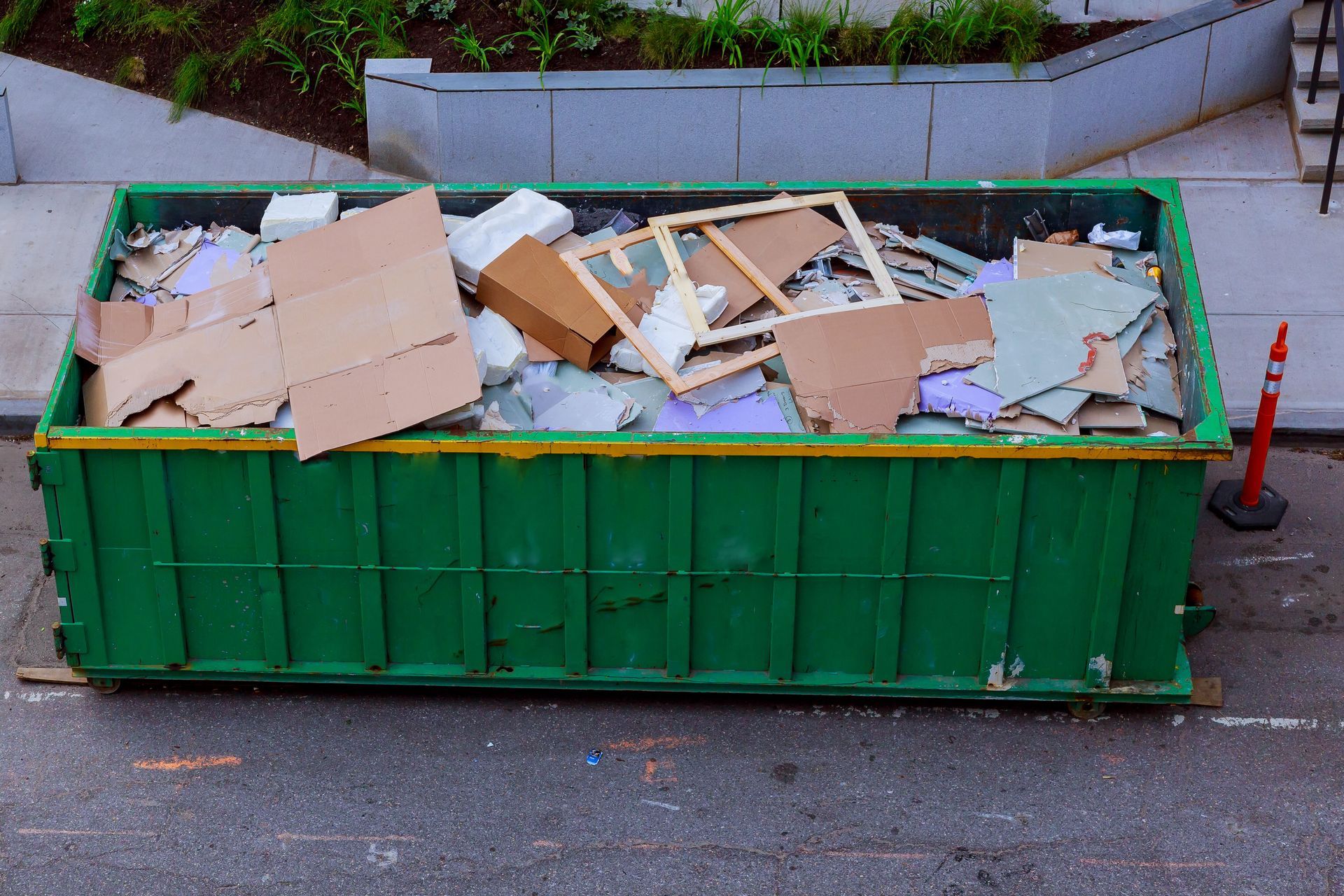
The first step in choosing a dumpster size is looking at the overall scope of the project. Different projects create different amounts and types of waste. A small cleanup may produce only a limited amount of debris, while a major renovation, construction project, or property cleanup can generate much more material. Consider what the project involves from start to finish. Removing a few rooms of old materials may create less waste than renovating an entire building. Large amounts of flooring, drywall, wood, roofing materials, packaging, or other debris can quickly fill a dumpster.
The length of the project can also affect the amount of waste that accumulates. Projects that take several weeks may produce debris in stages. Having the right container available can help keep the area more organized as materials are removed. A dumpster rental service can help you consider the project scope when determining what size may be appropriate. Providing basic information about the type and amount of waste can make it easier to narrow down the available options.
Estimating the Amount of Waste
Estimating the volume of waste is one of the most important parts of selecting a dumpster. It helps provide a general idea of how much container space will be needed. While it can be difficult to calculate the exact amount before a project begins, looking at the materials being removed can provide a useful starting point. Start by considering the number of rooms, areas, or sections involved. A single-room cleanup will usually create a smaller amount of debris than a full property renovation. The type of material also matters because bulky items can take up more space than compact debris.
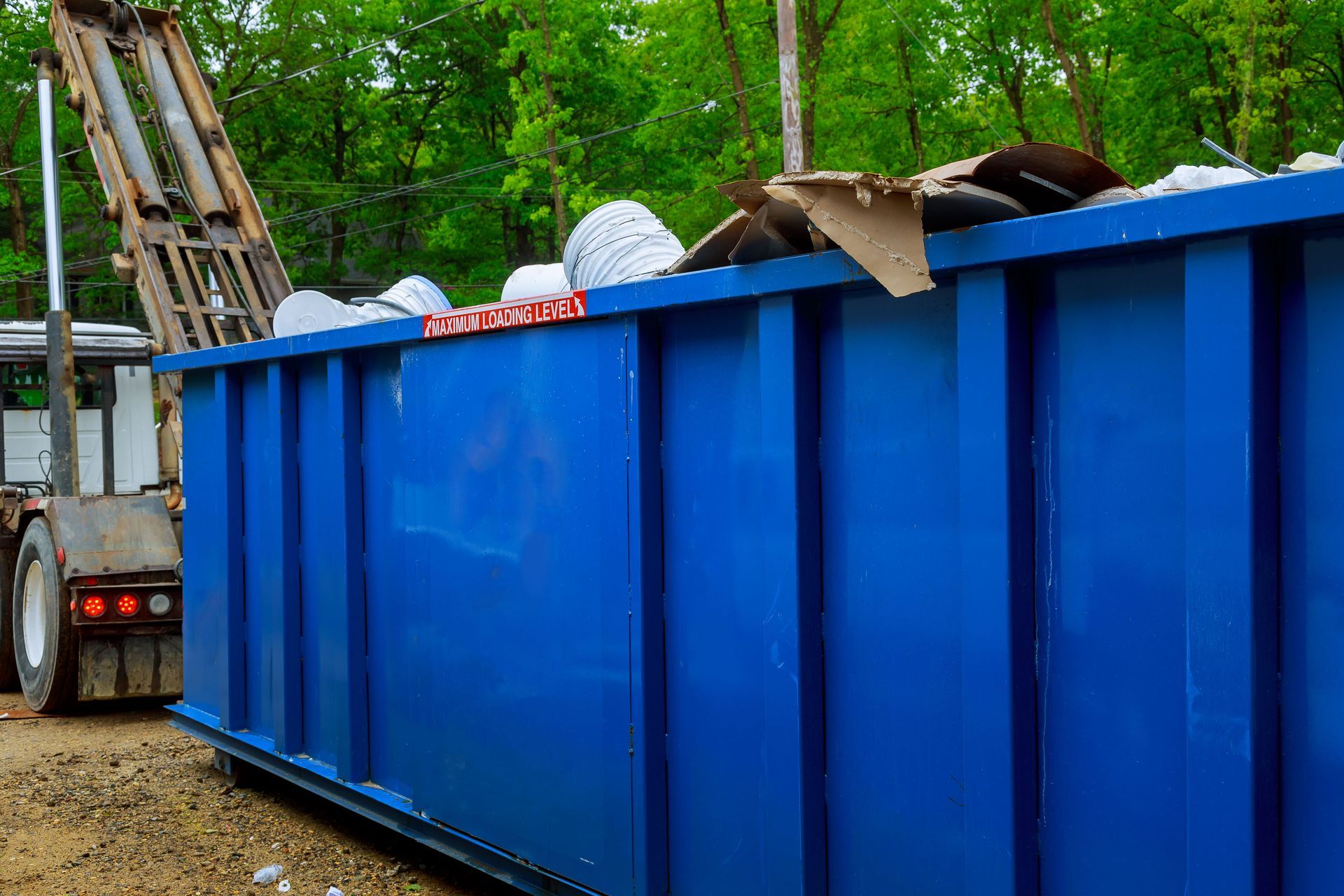
It is also important to think about how materials will be placed in the container. Large, irregular pieces can leave empty spaces between them. Broken-down materials may take up less room, but the total amount of waste still needs to be considered. When estimating waste, it is generally better to allow some extra room rather than selecting a container that will be filled to its limit. A dumpster rental service can provide guidance based on the details of the project and the expected amount of debris.
Considering the Material Being Removed
The type of waste being removed is another major factor when selecting a dumpster. Not all projects produce the same type of debris, and some materials may have different disposal requirements. Construction and renovation projects can produce materials such as wood, drywall, flooring, cabinets, roofing materials, and other building debris. Yard and property cleanup projects may involve branches, leaves, brush, soil, or other outdoor materials. General cleanouts may include furniture, household items, boxes, and other unwanted materials.
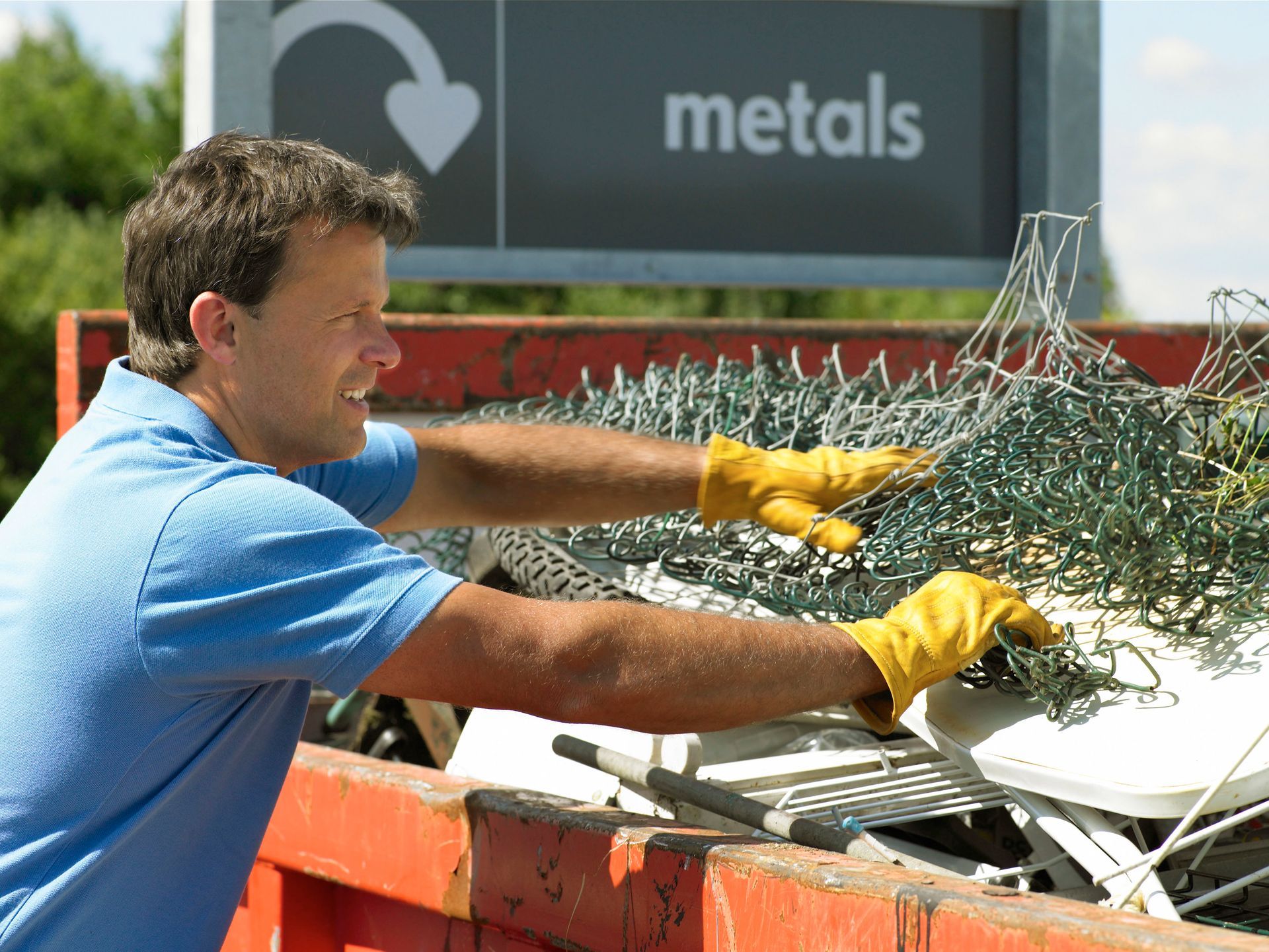
Knowing what will go into the container is important before making a selection. Certain materials may have restrictions or require separate handling. Combining materials without checking disposal requirements can create problems later in the project. A dumpster rental service can help clarify what materials are generally accepted and whether special requirements apply. Providing a complete description of the waste can help make the planning process smoother.
Comparing Available Dumpster Sizes
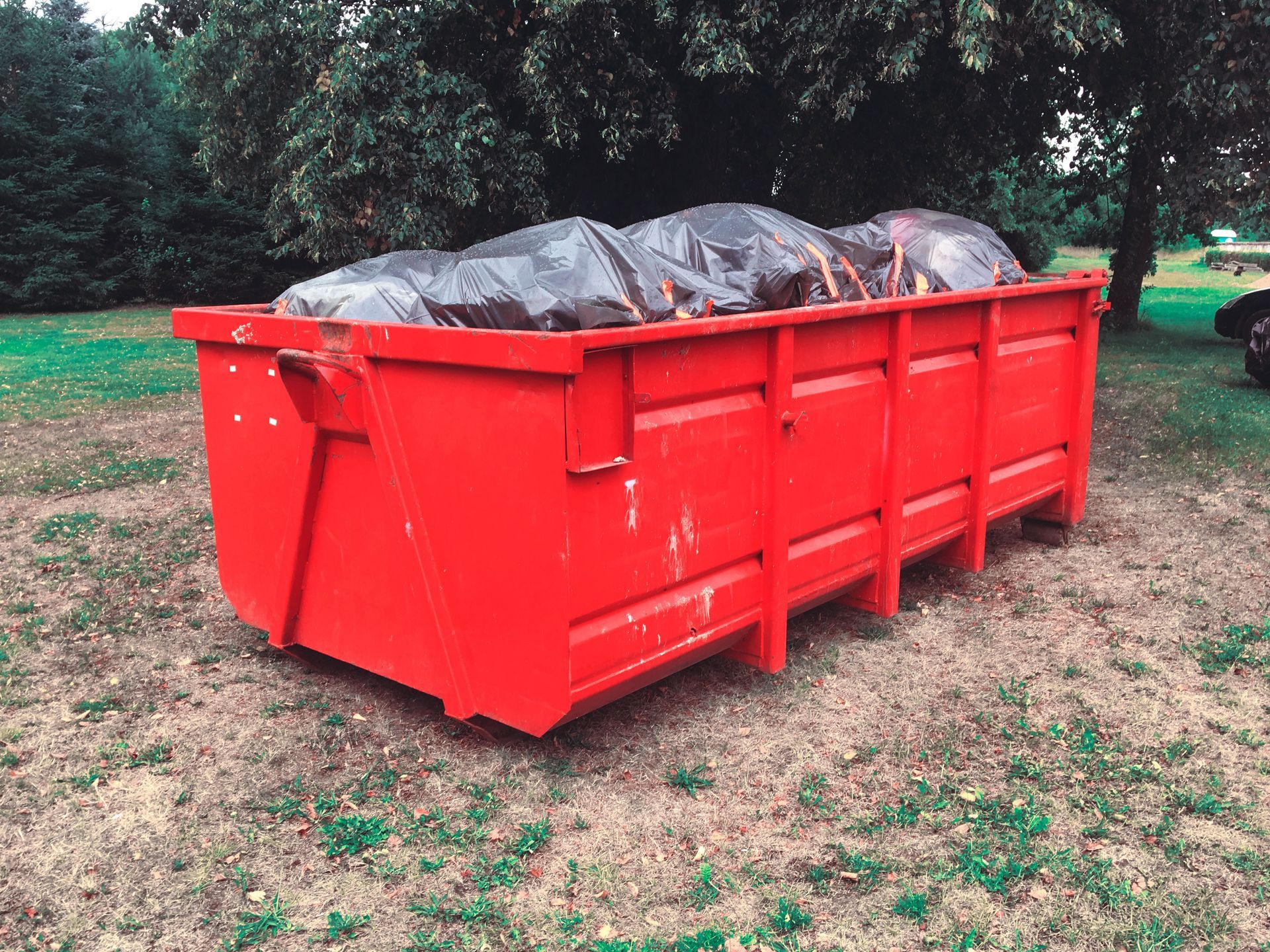
Dumpster sizes are commonly measured by the number of cubic yards they can hold. The exact dimensions can vary, but the volume provides a general way to compare containers. Smaller containers can be suitable for limited cleanouts, minor renovations, or projects that produce a relatively small amount of debris. Medium-sized options may work better for larger cleanouts and renovation projects. Larger containers are often considered for major renovations, construction work, building cleanouts, or projects involving substantial amounts of debris.
According to Consumer Affairs, a full home remodel or large renovation project would likely require at least a 30-yard dumpster. This provides a useful reference point for projects involving a significant amount of material. The actual size needed can still depend on the type of debris, the size of the property, and how much material will be removed. A dumpster rental service can help compare available sizes based on the specific project. This can be useful when the estimated amount of waste falls between two size options.
Planning for Project Conditions
The conditions surrounding a project can affect how much dumpster space is needed. Weather, project changes, material removal methods, and unexpected debris can all influence the final amount of waste. Renovation and construction projects often change as work progresses. Additional materials may need to be removed after walls, flooring, fixtures, or other areas are opened. Older properties may also contain more debris than originally expected.
The location of the dumpster should also be considered. It needs to be placed in an area that provides suitable access while allowing workers to move materials safely. Limited space may affect which container size is practical for the project. Planning ahead can reduce interruptions once work begins. If there is uncertainty about the amount of waste, seeking professional help before selecting a container can provide useful direction based on the project details.
Avoiding Common Sizing Problems
Choosing the wrong dumpster size can create avoidable complications. One common problem is selecting a container that is too small. Once the container reaches capacity, additional arrangements may be needed to handle the remaining debris. Choosing a container that is much larger than necessary can also be inefficient. The goal is to select a size that provides enough room for the expected waste without creating unnecessary space.
Another common issue is failing to account for bulky materials. A project may not produce a large weight of debris but can still require considerable container space because of the shape and size of the materials. It is also important not to assume that every project will fit into the same size container. Two renovations of similar square footage may create different amounts of waste based on the materials being removed. A dumpster rental service can help identify potential sizing issues before the project begins. Discussing the project details can make it easier to account for the waste volume and material types involved.
Preparing for Efficient Waste Management
Once the appropriate dumpster size is selected, planning how waste will be managed can help keep the project organized. Consider the container's capacity, the space bulky items may take up, and which materials can be placed together. If the project involves different types of waste, seeking professional guidance can help clarify disposal requirements. The project schedule also matters. Choosing a container that remains available for the needed period can make waste removal easier and prevent debris from piling up. For larger projects, seeking professional help before work begins can provide a clearer waste management plan. A dumpster rental service can help determine the right container based on the project's size, timeline, and expected debris.
The right dumpster size depends on the amount and type of debris, project length, available space, and potential changes. Estimate your waste, identify the materials involved, and compare available sizes. When you're unsure, seeking professional guidance can help you avoid choosing a container that is too small or unnecessarily large. Selecting the right size early can make waste management easier and help keep debris contained. Contact AJC Waste Management for guidance from a local dumpster rental service and help with planning your waste removal.